



How to Start a Cashew Processing Factory: 10 Key Steps
Planning to build a cashew processing factory? Learn how to select capacity, plan factory layout, choose machinery, and prepare for production with TTQ Vietnam Machines.
How to Start a Cashew Processing Factory: 10 Key Steps Before Investing
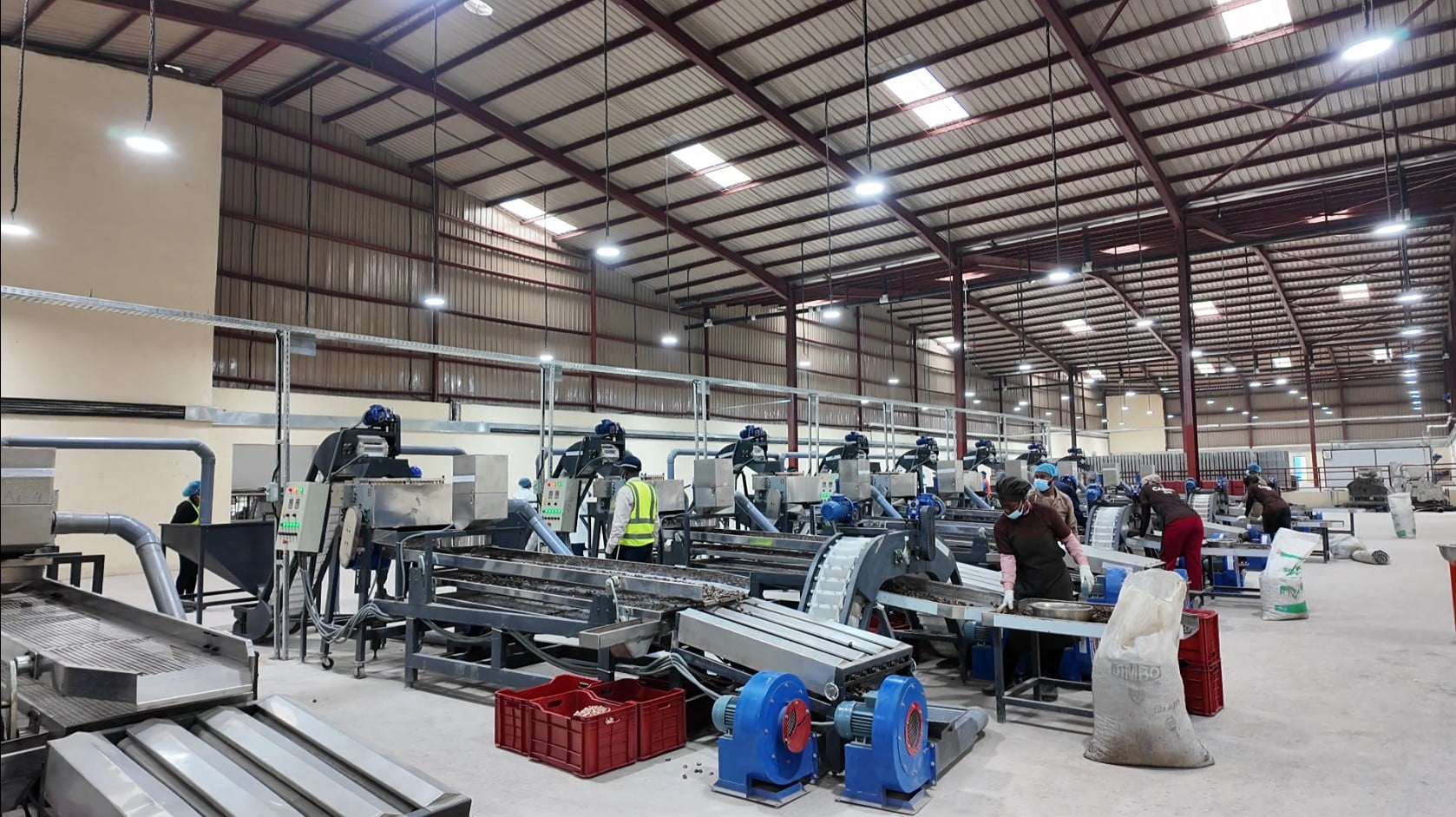
Cashew processing factory with integrated industrial machinery
Are you planning to build a cashew processing factory and looking for the right machinery, production capacity, and factory setup solution?
Establishing a cashew processing plant involves much more than purchasing machines. Investors need to evaluate raw cashew nut supply, production targets, factory space, utilities, labor requirements, product quality, and long-term business objectives before making major investment decisions.
A well-planned factory can help improve production efficiency, maintain consistent kernel quality, and reduce avoidable operating problems. The key is to develop a complete processing plan before construction and machinery installation begin.
In this guide, TTQ Vietnam Machines explains 10 important steps to consider when planning a new cashew processing factory.
1. Evaluate Your Raw Cashew Nut Supply
Raw cashew nuts are the starting point of the entire production process. Before investing in machinery, investors should understand the availability, quality, and cost of their raw materials.
Consider the following questions:
-
How many tons of raw cashew nuts can you source per day or per season?
-
Are raw cashew nuts available throughout the year or mainly during the harvesting season?
-
What are the typical nut sizes, moisture levels, and quality characteristics?
-
Can local suppliers consistently meet your production requirements?
-
How will raw materials be transported and stored?
Raw material quality can influence shelling performance, kernel recovery, breakage rates, and the consistency of the finished product.
Your machinery configuration should therefore be selected according to the characteristics of the raw cashew nuts you intend to process, rather than production capacity alone.
2. Determine the Right Factory Production Capacity
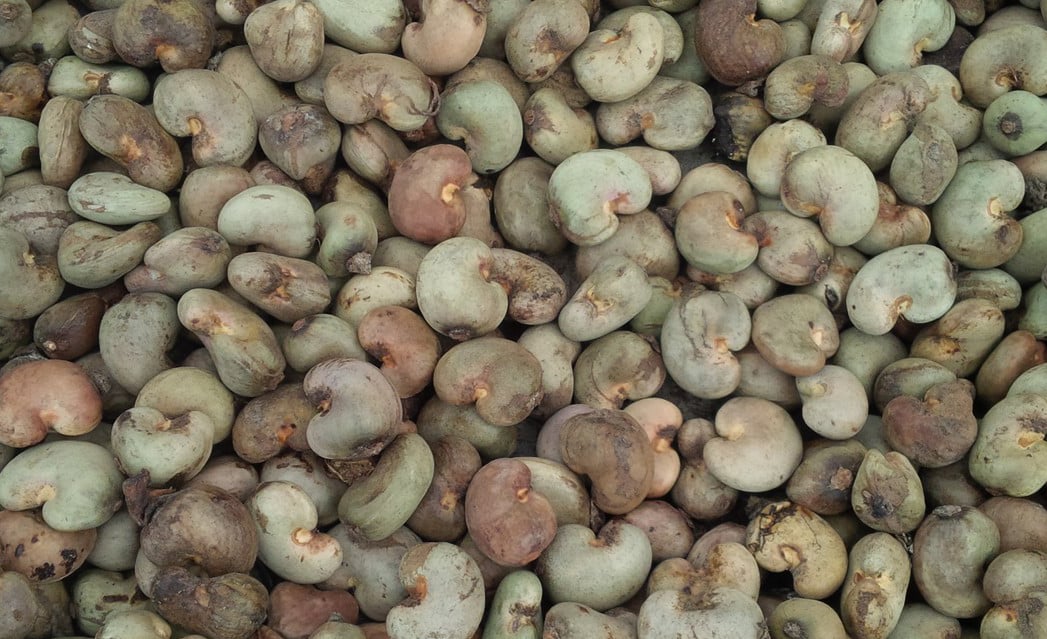
Raw cashew nuts in shell for cashew processing factory
Choosing the appropriate production capacity is one of the most important decisions when establishing a cashew processing plant.
A factory that is too small may limit future growth, while an oversized production line can create unnecessary investment and operating costs if raw material supply is insufficient.
Depending on your business plan, you may consider a processing capacity of 5, 10, 15, 20, 30, 50, or 100 tons of raw cashew nuts per day.
Before selecting a capacity, evaluate:
-
Your expected daily raw material supply
-
The number of operating hours per day
-
The number of production days per year
-
Available labor and technical skills
-
Your target markets and expected sales volume
-
Your plans for future expansion
It is also important to clarify whether a quoted capacity refers to raw cashew nuts processed per day, machine throughput per hour, or finished kernel output. These figures are not interchangeable.
A practical production plan should match the machinery capacity to your actual raw material supply and sales strategy.
3. Estimate the Total Investment Budget
The total investment in a cashew processing factory includes more than the purchase price of the machinery.
Depending on the project, the budget may include:
-
Land acquisition or factory rental
-
Factory construction and building modifications
-
Cashew processing machinery
-
Boilers and other utility systems
-
Electrical installation and control systems
-
Conveyors and material handling equipment
-
Packaging equipment
-
Transportation, import duties, and installation
-
Initial raw material inventory and working capital
The final investment depends on the location, production capacity, degree of automation, equipment specifications, and local construction costs.
Investors should distinguish between the machinery budget, the factory setup budget, and the total project investment. This makes it easier to compare quotations from different suppliers and identify expenses that may not be included.
For a more detailed discussion, read our guide to Cashew Processing Plant Cost.
4. Plan the Factory Layout Before Construction
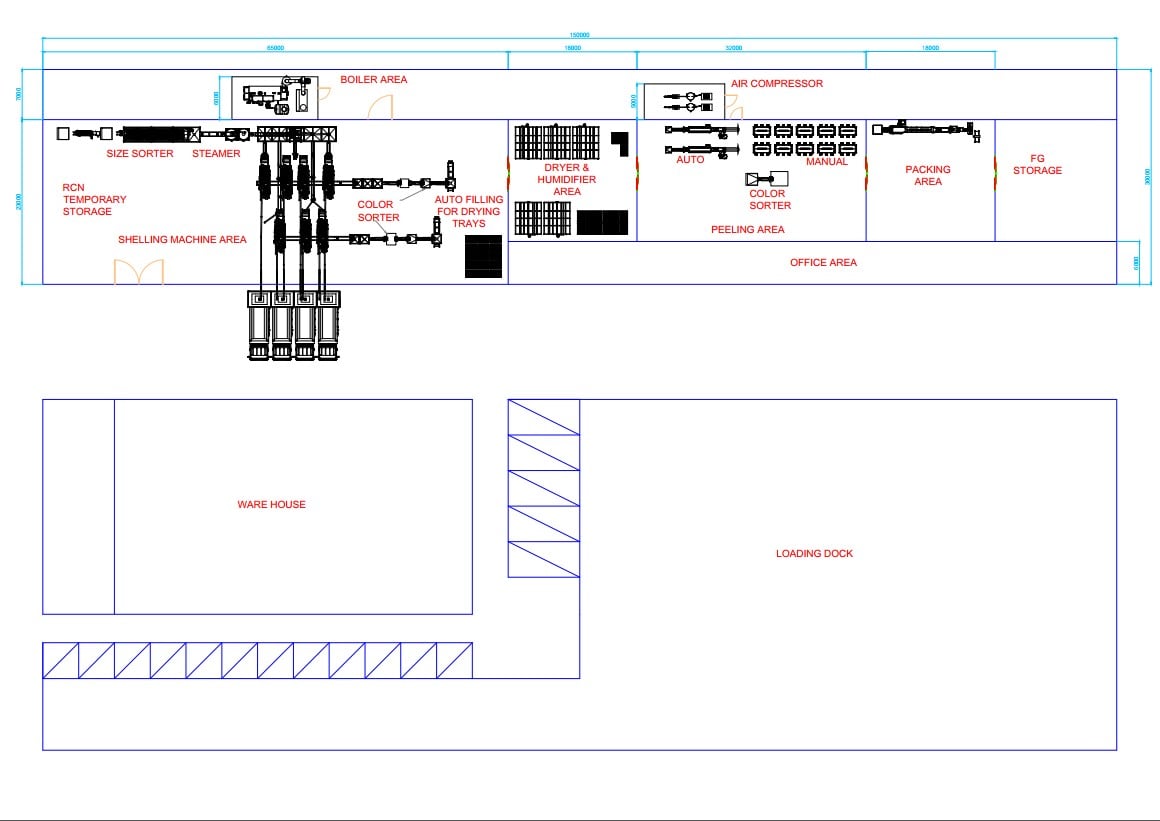
Factory layout plan for cashew processing machinery and production flow
Factory layout planning should begin before finalizing the building design or installing machinery.
A well-designed layout helps establish an organized production flow, reduces unnecessary material movement, and provides sufficient space for operation, maintenance, and storage.
A typical cashew processing factory may require separate areas for:
-
Raw cashew nut receiving and storage
-
Cleaning and size grading
-
Steaming or cooking
-
Shelling
-
Kernel drying and conditioning
-
Testa peeling
-
Kernel grading and sorting
-
Quality inspection
-
Vacuum packaging and finished product storage
The layout should also consider personnel movement, material handling routes, ventilation, drainage, fire safety, and access for maintenance.
The required floor area varies according to production capacity, equipment arrangement, storage requirements, and the level of automation.
Before construction, investors should request a proposed machinery layout and discuss the dimensions of the main equipment, production flow, and utility connections with their machinery supplier.
Explore TTQ's Cashew Processing Plant Design and Installation Services to learn more about factory layout planning and equipment installation support.
5. Select the Right Machinery Configuration
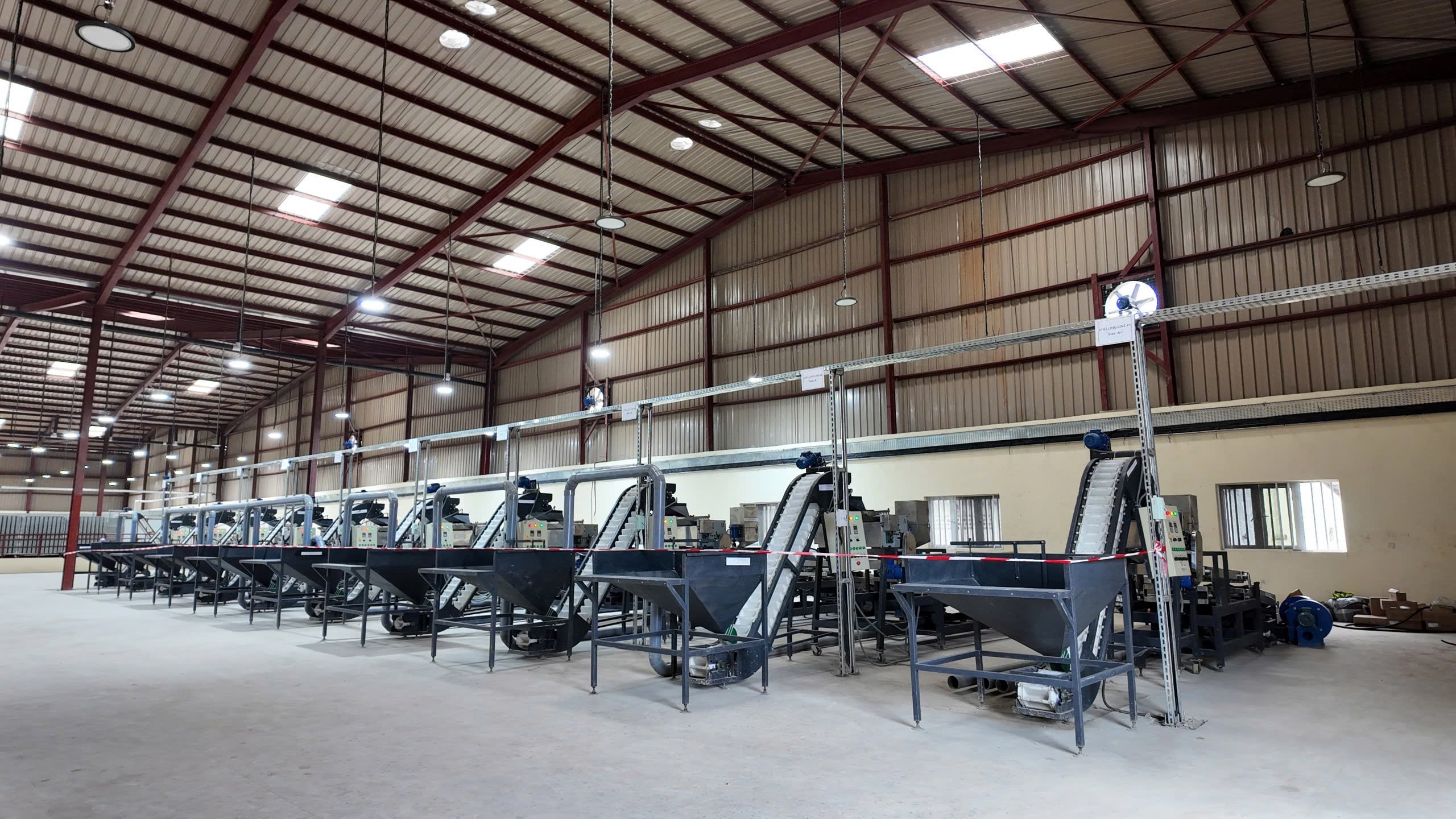
Cashew processing machines for shelling
A complete cashew processing line consists of multiple machines that work together. The configuration should be selected according to your raw materials, target capacity, product specifications, and available budget.
Depending on the project, the main equipment may include:
-
Raw cashew nut cleaning and grading machines
-
Steam boiler and cooking systems
-
Cashew shelling machines
-
Kernel drying machines
-
Kernel conditioning and humidification equipment
-
Cashew testa peeling machines
-
Kernel grading machines
-
Color sorting systems
-
Metal detection equipment
-
Vacuum packaging machines
-
Conveyors and supporting systems
Not every factory requires the same combination of equipment. For example, a factory supplying premium export markets may have different sorting, inspection, and packaging requirements from a factory serving a local market.
Investors should also consider how each machine connects to the next stage of production. A high-capacity machine cannot deliver the expected overall output if another stage becomes a production bottleneck.
The goal is to select a balanced processing line rather than choosing individual machines based only on their advertised capacity.
6. Choose the Appropriate Level of Automation
Cashew processing factories can use manual, semi-automatic, or more highly automated equipment configurations.
Each approach has different implications for investment, labor, production consistency, maintenance, and operational flexibility.
Manual processing systems
Manual operations may be suitable for certain small-scale applications or processes where flexibility is important. However, labor requirements and consistency need to be carefully evaluated.
Semi-automatic processing lines
Semi-automatic systems combine machinery with operator-controlled activities. They can provide a practical option for investors who need to balance machinery investment with available labor and technical capabilities.
Highly automated processing lines
More automated systems can reduce manual handling and improve production consistency when properly configured. They may also require a higher initial investment, suitable utilities, trained operators, and an effective maintenance plan.
The right choice depends on local labor costs, production targets, budget, product specifications, and the availability of technical support.
Instead of selecting automation based on technology alone, compare the expected total cost of ownership and operational requirements over the planned life of the equipment.
7. Prepare Electricity, Steam, Water, and Other Utilities
A processing line needs reliable utilities to operate effectively. These requirements should be considered during the factory design stage rather than after the machinery arrives.
Important considerations include:
Electricity: Calculate the connected load and expected operating demand of the machinery. Confirm that the local power supply, distribution panels, wiring, and protection systems are suitable.
Steam supply: If the process uses steaming or cooking equipment, determine the boiler capacity and steam requirements according to the selected production line.
Water supply: Evaluate water availability and the requirements of the production process, cleaning, and other supporting operations.
Compressed air: Some machines and control systems may require a compressed air supply. Confirm the required pressure, flow rate, and air quality.
Ventilation and drainage: Plan ventilation, heat management, drainage, and suitable working conditions for operators.
Utility specifications should be confirmed with the equipment supplier and qualified local engineers. Actual requirements depend on the selected machinery and the applicable regulations in the project location.
8. Define Your Target Kernel Quality and Market Requirements
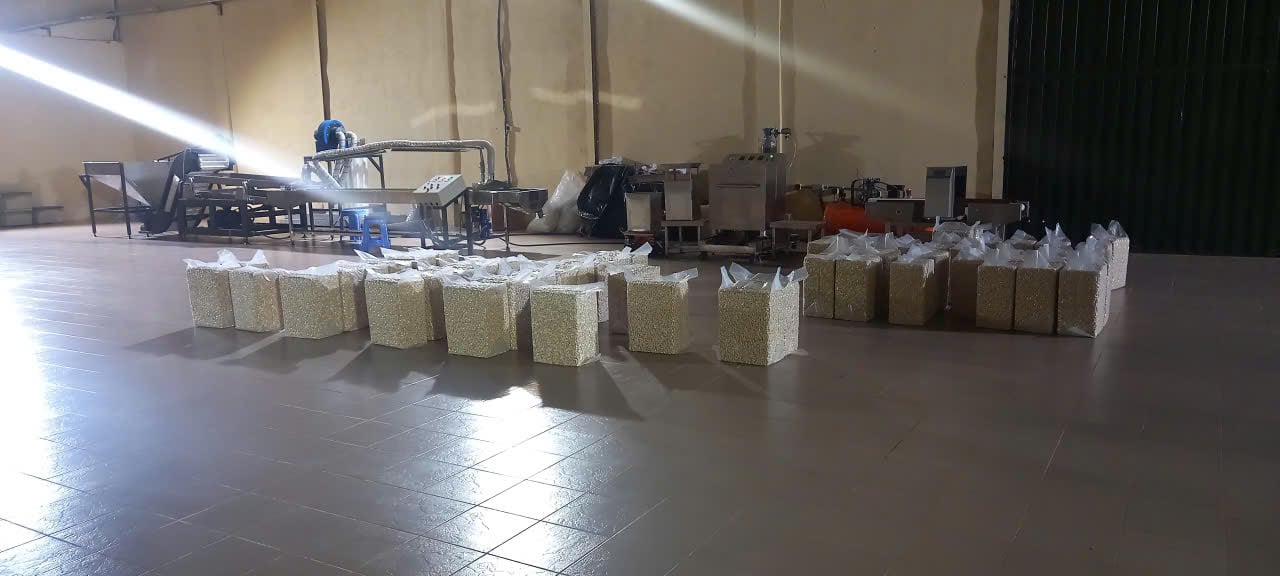
Vacuum-packed cashew kernels ready for sale and export
Before finalizing the production line, determine which products you intend to sell and what quality standards your customers require.
Your target market may influence the selection of grading equipment, color sorting, inspection procedures, packaging systems, and quality control processes.
Consider:
-
Whole kernel and broken kernel product categories
-
Kernel size and grade requirements
-
Color and appearance specifications
-
Foreign matter and defect control
-
Packaging format and storage conditions
-
Customer specifications and applicable food safety requirements
For export-oriented factories, confirm the requirements of the destination market and the expectations of your intended buyers before investing in specialized equipment.
It is also important to distinguish between raw material yield, kernel recovery, whole kernel percentage, and saleable finished product output. These measurements describe different aspects of production and should be evaluated separately.
Machinery selection should support your target product specifications, but final quality also depends on raw material characteristics, process control, operator skills, and quality management.
9. Evaluate the Machinery Supplier Carefully
Choosing a machinery supplier is an important part of planning a new factory. Equipment specifications matter, but so do project coordination, installation, training, and after-sales support.
Before making a decision, consider the following questions:
-
Can the supplier recommend a complete processing line for your target capacity?
-
Can the supplier provide machinery specifications and a proposed factory layout?
-
Are the machine capacities and technical requirements clearly documented?
-
Can the supplier explain the expected production workflow?
-
Is installation or commissioning support available?
-
Does the supplier provide operator training and maintenance guidance?
-
Are spare parts and technical assistance available after installation?
-
Can the supplier provide relevant machine demonstrations or project references?
Request a detailed quotation that clearly identifies the included machinery, optional equipment, utilities, installation scope, delivery terms, and exclusions.
When comparing quotations, make sure you are comparing equivalent production capacities and equipment configurations. A lower machinery price does not necessarily mean a lower total project cost.
10. Plan Installation, Commissioning, and Production Startup
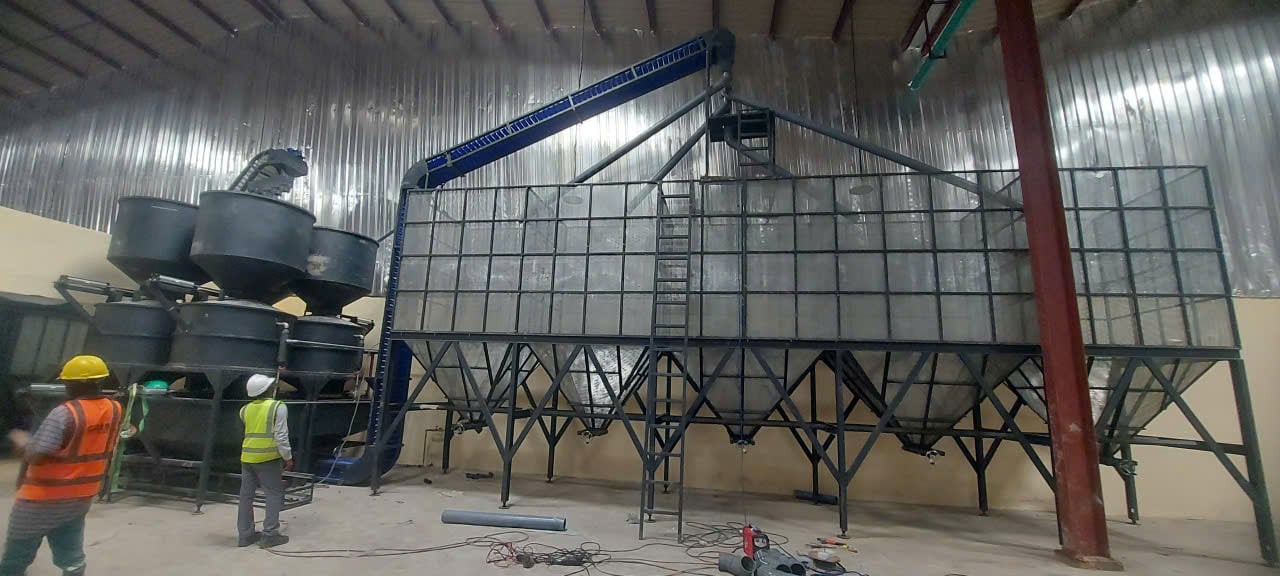
Technicians installing and commissioning cashew processing machinery
A factory project does not end when the machinery is delivered. Installation and commissioning are essential steps before commercial production begins.
A typical project sequence includes:
-
Confirming the processing requirements and machinery configuration
-
Preparing the factory building and utility connections
-
Manufacturing and delivering the equipment
-
Installing and connecting the machinery
-
Checking machine settings and operating conditions
-
Testing the processing line with suitable raw materials
-
Training operators and maintenance personnel
-
Reviewing production results and addressing operating issues
Before commercial production, establish procedures for equipment inspection, cleaning, preventive maintenance, product quality checks, and operator safety.
Investors should also clarify the responsibilities of the machinery supplier and the factory owner during installation and startup.
A clear implementation plan helps coordinate construction, equipment delivery, staffing, and production preparation.
Why Choose TTQ Vietnam Machines for Your Cashew Processing Factory Project?
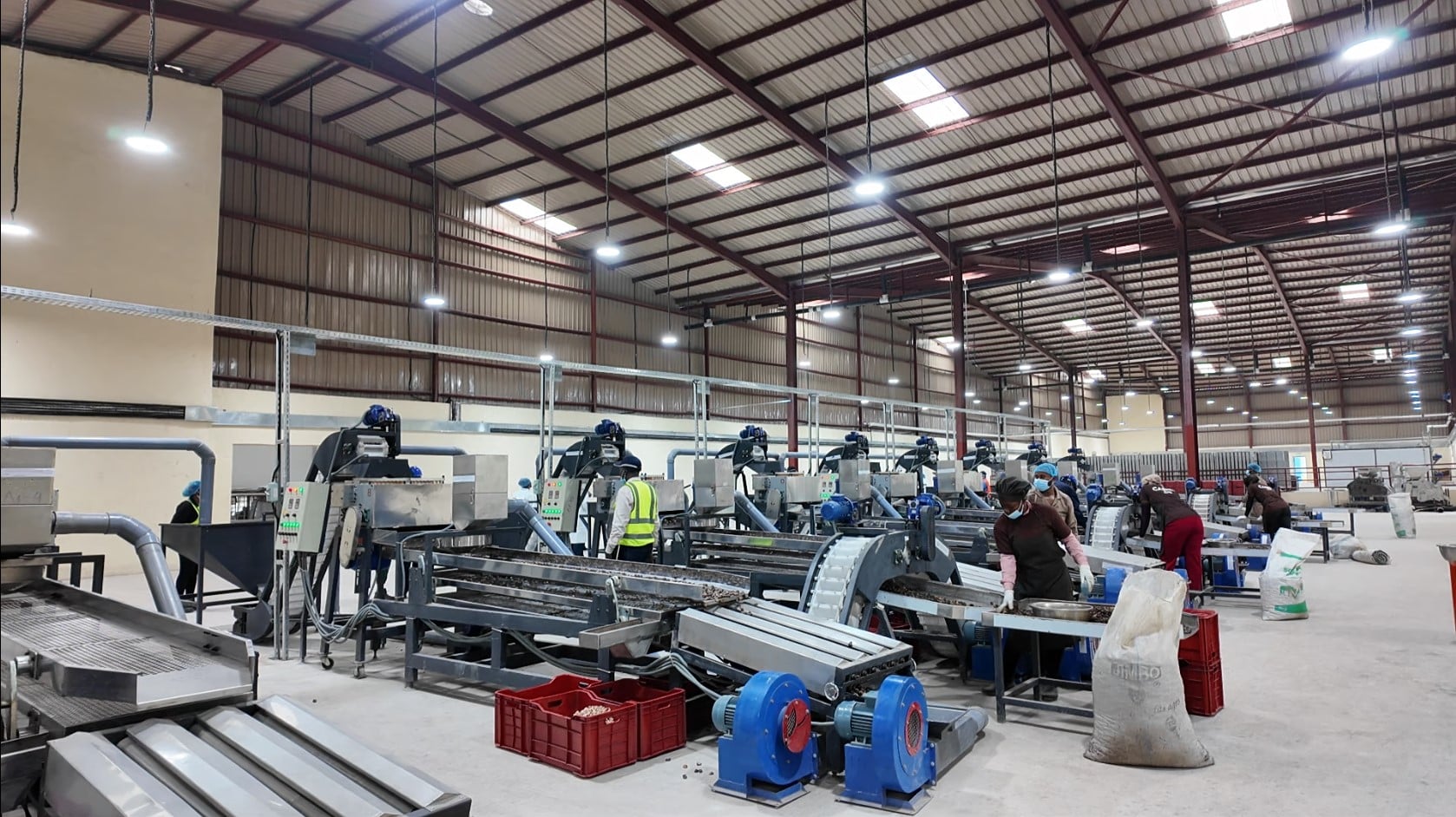
Cashew processing plant machinery solution for factory investment projects
TTQ Industrial Equipment Manufacture Company Limited provides cashew processing machinery and complete processing line solutions for customers developing or upgrading cashew factories.
Depending on project requirements, TTQ supports factory layout planning, machinery manufacturing, installation, commissioning, and operator training.
Available plant configurations can be developed for different production capacities, including 5, 10, 15, 20, 30, 50, and larger tons-per-day projects, subject to the selected configuration and technical requirements.
Our project discussions focus on understanding the investor's production targets, raw material characteristics, factory space, budget, and intended market before recommending a suitable machinery configuration.
Learn more about our Cashew Processing Plant Solutions or visit our Cashew Processing Plant Design and Installation Services page.
Frequently Asked Questions
How much space is needed for a cashew processing factory?
The required area depends on daily processing capacity, machinery configuration, raw material storage, finished product storage, material handling, and supporting facilities. A factory layout should be prepared according to the specific project rather than relying on a single standard area.
What production capacity should a new cashew factory choose?
The appropriate capacity depends on raw cashew nut availability, expected sales, working hours, labor, investment budget, and future expansion plans. Investors should confirm the raw material throughput of the entire line before selecting individual machines.
Should I buy individual machines or a complete processing line?
Buying individual machines may suit an existing factory replacing specific equipment. A complete processing line may be more appropriate for a new factory because it allows the production workflow, machinery capacities, and utility requirements to be planned together.
What should I prepare before requesting a machinery quotation?
Prepare your target daily capacity, project location, available factory space, raw cashew nut characteristics, intended kernel products, preferred automation level, and approximate budget. These details help the supplier develop a more relevant proposal.
Does TTQ provide factory layout and installation support?
TTQ provides factory layout planning, machinery manufacturing, installation support, commissioning, and operator training services according to the agreed project scope. Contact the team to discuss the specific requirements of your project.
Start Planning Your Cashew Processing Factory with TTQ
Building a cashew processing factory requires careful coordination between raw material supply, machinery selection, factory layout, utilities, product quality, and project implementation.
Planning these elements together helps investors make informed decisions and select a processing line that matches their business objectives.
If you are planning to establish a new cashew processing factory or expand an existing facility, TTQ Vietnam Machines can help you discuss a suitable machinery configuration for your project.
Contact TTQ Vietnam Machines to discuss your factory project and request a customized machinery proposal.
To help us understand your requirements, please provide:
-
Project location: Country and city
-
Target capacity: Tons of raw cashew nuts per day
-
Factory status: Existing building, rented facility, or new construction
-
Available space: If known
-
Project stage: Initial planning, machinery selection, or ready for investment
Contact Information
TTQ INDUSTRIAL EQUIPMENT MANUFACTURE COMPANY LIMITED
Website: https://ttqvietnammachines.com/
Email: info@ttqvietnammachines.com
WhatsApp: +84 918 077 948
Discuss your project with our team to explore cashew processing machinery and factory setup solutions tailored to your requirements.
TTQ INDUSTRIAL EQUIPMENT MANUFACTURE COMPANY LIMITED
Office Address: 125C, Street 14, Ben Cat Quarter, Phuoc Binh Ward, Thu Duc City, Ho Chi Minh, VN
Tel: +84-28 62763105 ; +84-918 077 948
Workshop Address: 215 Bung Ong Thoan Street, Tang Nhon Phu B Ward, Thu Duc City, Ho Chi Minh, VN
Mobile/Whatsapp/Wechat:
- +84-918077948 (Mr Rod)
- +84-933001235 (Ms Hanna)
- +84-788545905 (Ms Mary)
Email: info@ttqvietnammachines.com
Homepage: ttqvietnammachines.com

main.comment_read_more